
Dog Daycare Hygiene: Shared Bowls & Germ Risks in Auckland

What Auckland dog owners should know about everyday exposure and safe hygiene?
If you’ve ever taken your dog to a park, beach, or café, you’ve probably seen communal water bowls or shared toys. They seem convenient, but these shared items can become hotspots for germs that spread illness between dogs. Understanding the difference between normal environmental exposure and high-risk shared surfaces helps owners make safer choices for their pets.
Why shared bowls and toys can be risky
Dogs naturally encounter bacteria in soil, grass, and everyday environments. This kind of low-level exposure helps the immune system develop and respond to common microbes. However, shared bowls and heavily used toys can carry saliva, nasal discharge, and pathogens from multiple dogs. Unlike natural environmental exposure, these concentrated sources can transmit infectious diseases such as kennel cough, gastrointestinal bugs, and parasites.
Common places germs spread in urban environments
In busy areas like Auckland, dogs often share:
Park and café water bowls
Communal toys at dog parks
Grooming tools and shared surfaces
Transport crates or bedding in group settings
Without proper cleaning, these items can harbour bacteria and viruses that spread quickly between dogs.
A balanced approach to immunity and hygiene
A dog’s immune system benefits from normal environmental exposure, which helps build resilience over time. However, exposure to contaminated shared items does not strengthen immunity and can lead to preventable illness. Vaccination and good hygiene remain the safest ways to protect dogs in social environments.
How Woofland manages hygiene without compromising wellbeing
At Woofland, we recognise that dogs benefit from social interaction and normal environmental exposure. Our approach focuses on reducing high-risk transmission points while supporting overall health and resilience.
Our hygiene practices include:
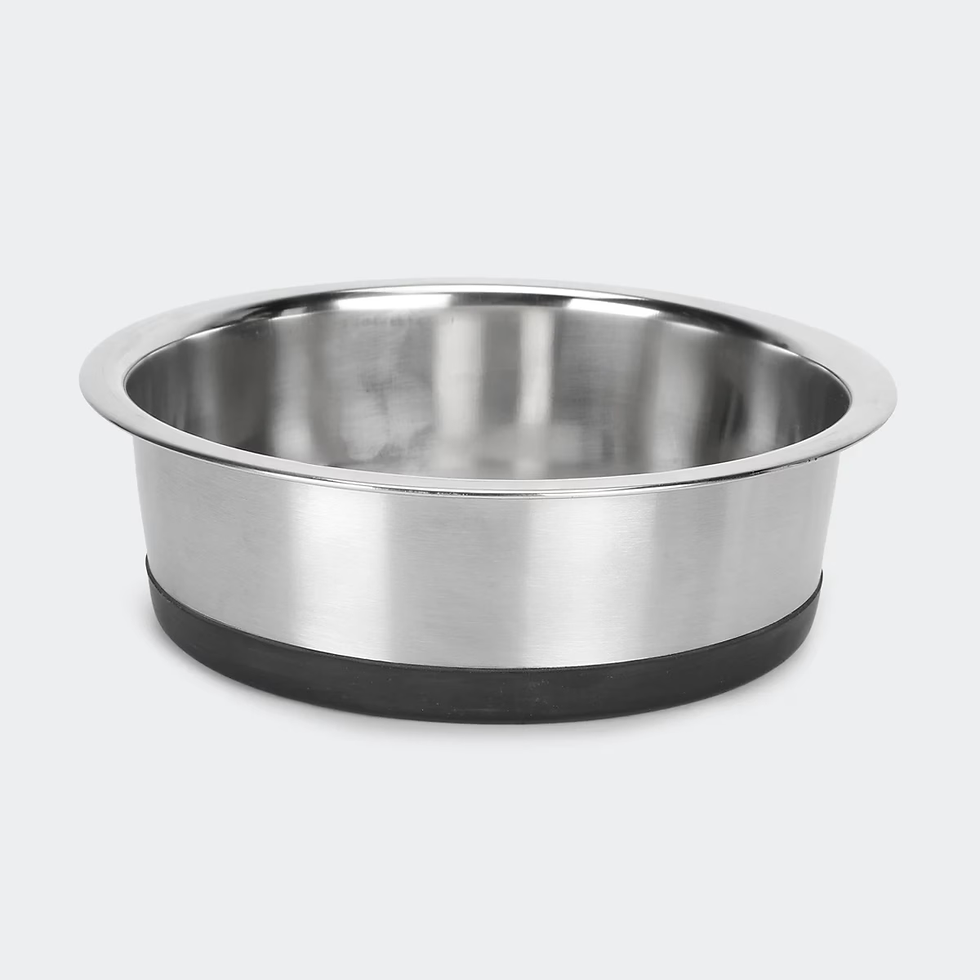
Individual stainless steel water bowls for each dog when they stay with use overnight
Bowls are washed and fully dried every night
Midday bowl changes when necessary
Use of standard stainless steel bowls inspected to ensure they are not scratched or rusty
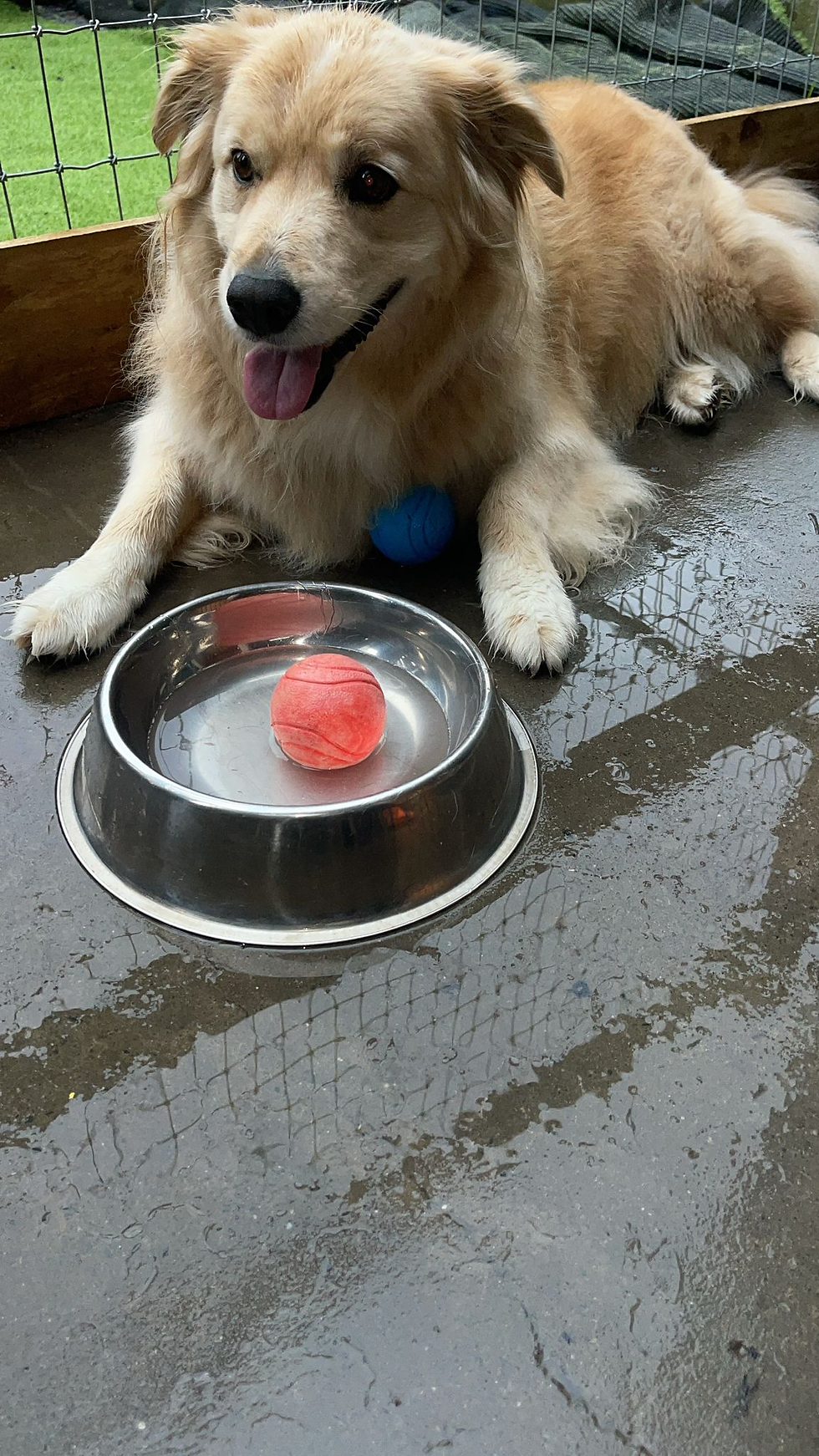
Multiple bowls provided to reduce competition and saliva sharing
Daily cleaning and disinfection of toys and play equipment
Separation of items used by different groups of dogs
Drying is just as important as washing. Moisture allows bacteria to survive and multiply, so all bowls are thoroughly dried before reuse.
Why stainless steel bowls matter
We use stainless steel bowls because they are:
Non-porous and easier to sanitise
Resistant to odours and staining
Less likely to harbour bacteria compared with scratched plastic
Durable and safe for daily use
Any bowl showing signs of wear, rust, or damage is removed immediately to maintain hygiene standards.
Reducing competition improves hygiene and wellbeing
When multiple dogs share a single bowl, saliva transfer increases and some dogs may guard the resource. By providing multiple bowls, we reduce:
Direct saliva exchange
Stress and competition
The likelihood of contamination
This supports both physical health and positive group behaviour.
What dog owners can do in everyday life
You don’t need to avoid social outings with your dog, but simple precautions can reduce risk:
Bring a portable water bowl when out
Avoid heavily used communal bowls
Wash your dog’s bowls daily at home
Replace scratched plastic bowls with stainless steel
A cleaner environment for healthier dogs
Dogs do not need sterile environments to stay healthy. Normal environmental exposure supports immune development, but concentrated germ hotspots increase disease risk. By managing hygiene carefully, Woofland provides a safe environment where dogs can socialise, play, and build resilience without unnecessary exposure to illness.
At the end of the day, good hygiene is not about eliminating germs entirely. It is about reducing preventable risks while supporting the natural health and wellbeing of every dog in our care.


Comments